I am Carl Pierre, a performance marketing strategist who works across the Washington DC metro, and Arlington, Virginia is the counterexample I use whenever someone tells me a place has to choose between growth and identity. Arlington won the single most contested corporate prize of the last decade, Amazon's second headquarters, and it did not lose itself in the process. Most places would have. That restraint under the brightest possible spotlight is the real story, and it is a marketing lesson before it is a real estate one.
Winning the trophy tenant is the easy part
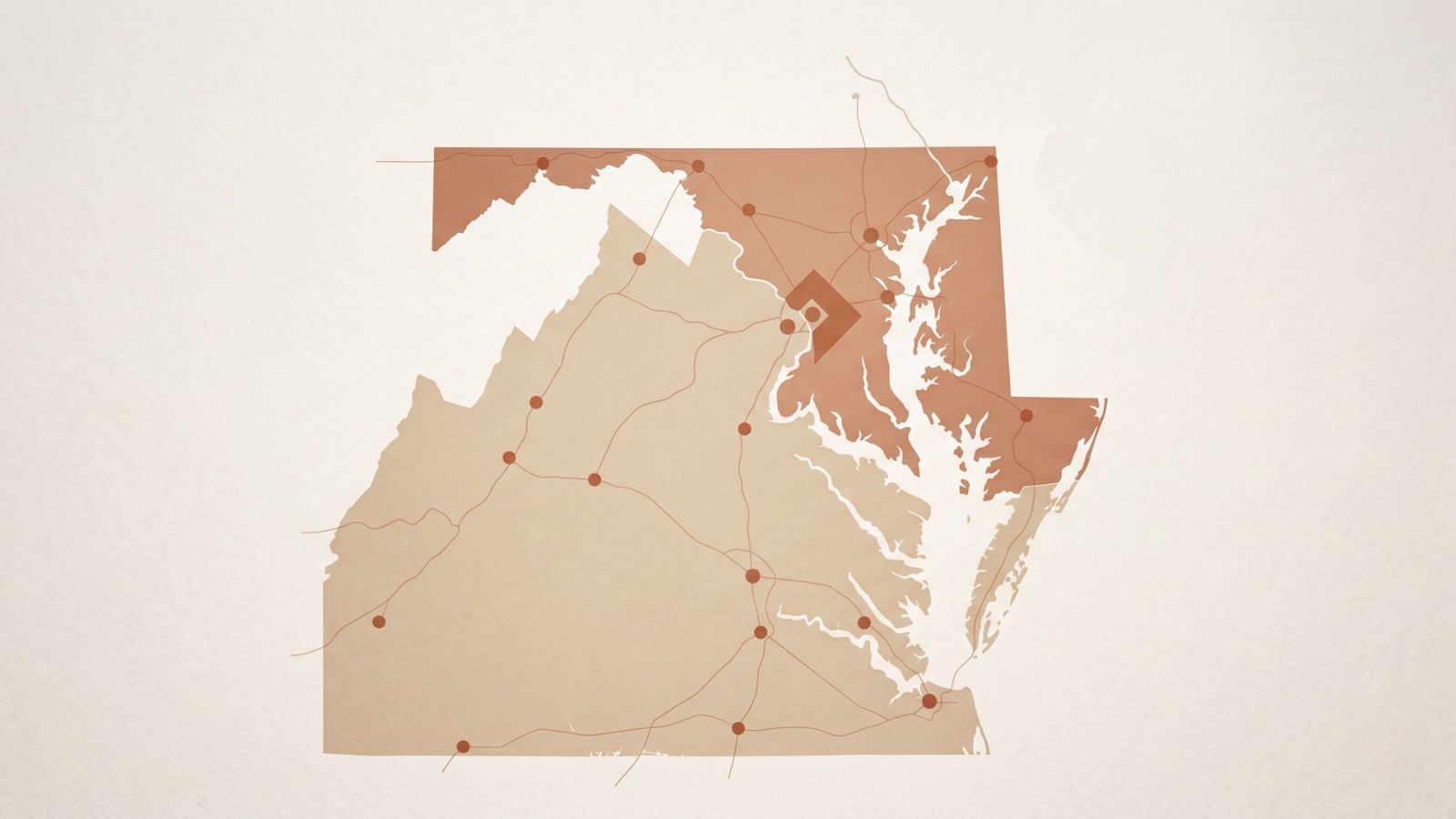
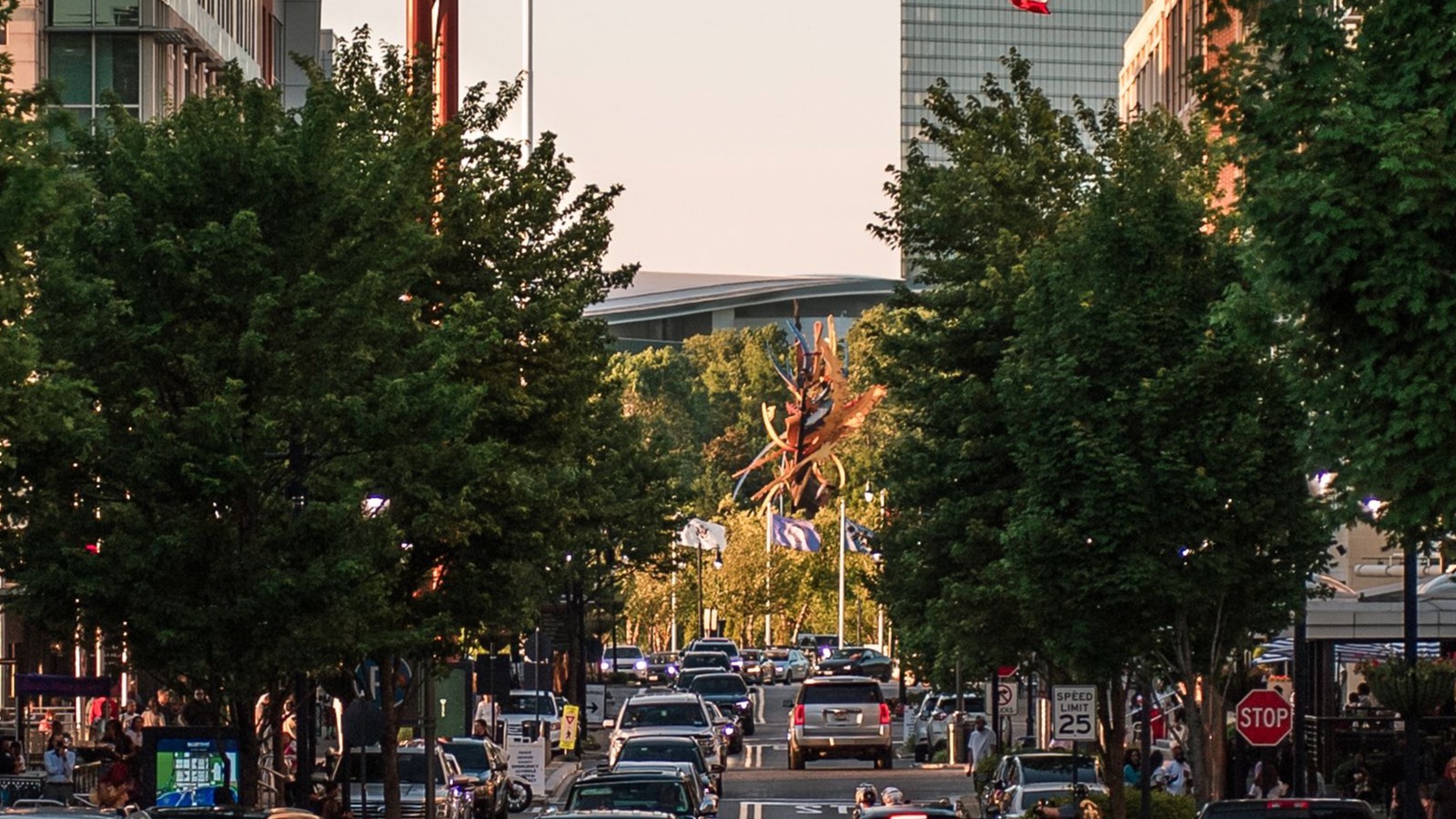
Start with what actually happened, because the scale is easy to underestimate. Amazon ran a public national contest for its second headquarters, HQ2, and 238 cities lined up to bid. Arlington won, or half-won, splitting the prize with New York before New York's deal collapsed. The site landed in a district Arlington rebranded as National Landing, stitched together from Crystal City, Pentagon City, and part of Alexandria's Potomac Yard. The announcement made Arlington the center of gravity for the entire region's growth conversation overnight.
Here is the part the headlines missed. Winning the tenant was the easy part. The hard part is what you do the morning after, when the trophy is real and every developer, every consultant, and every neighboring jurisdiction is trying to reshape you around it. That is the moment most places overreach. They chase the arrival with more announcements, more speculative building, more of the borrowed excitement, and they end up defined entirely by the thing that showed up rather than the thing they were. Arlington had every incentive to do exactly that and mostly did not.
Arlington had a real product before Amazon arrived
The reason Arlington could absorb HQ2 without dissolving into it is that Arlington already had a product. This is a jurisdiction that helped invent transit-oriented development in this country. Decades ago, when the region was building the Metro, Arlington made the unglamorous choice to route the line under Wilson Boulevard through its neighborhoods instead of down the median of a highway. That single decision built the Rosslyn-Ballston corridor, a walkable spine of dense, mixed-use neighborhoods that planners study to this day.
So when Amazon showed up, it was not landing on a blank commuter parking lot. It was joining a place that already knew what it was: a first-ring suburb that had spent forty years betting on density done well. The reason that matters for anyone thinking about brand is simple. A strong new partner amplifies whatever you already are. If your identity is thin, the partner overwrites it. If your identity is real and specific, the partner compounds it. Arlington had spent decades earning the second outcome, so the biggest tenant in America became a chapter in its story instead of the whole book.
The marketer's read on National Landing
I run paid media for luxury hotels now, and National Landing reads to me exactly like a rebrand, which is what it was. Crystal City in particular had an aging, office-park reputation, high vacancy, the kind of place that empties at 6 p.m. Renaming the district and anchoring it with Amazon was a positioning move, the physical-world version of what every brand does when it needs a new story. The interesting question for a marketer is never whether the rename works on day one. It is whether the substance underneath eventually earns the name.
That is where Arlington's discipline shows. A rebrand with nothing behind it is just a fresh logo on the same tired product, and customers see through it fast. A rebrand backed by real investment, in this case new housing, retail, streets built for people instead of only cars, and a genuine reason to be there after dark, is the version that sticks. Arlington is running the second play. The name National Landing had to be earned with substance, not just declared, and the jurisdiction seems to understand that the announcement bought attention, not loyalty. Attention is rented. Loyalty is the thing you actually build.
There is a lesson in it for hospitality too, which is my day job. Every hotel that opens with a splashy launch faces the identical test the week after. The launch gets you the first booking. Only the product gets you the second one and the referral. Arlington winning Amazon is the launch. What the district becomes over the next ten years is the product, and that is the part worth watching.
Why the quiet places and the loud swing can both be right
I wrote recently about Alexandria, Virginia, which sits a few minutes down the river and grew by staying deliberately quiet, protecting its historic core and letting residents do the marketing. Arlington looks like the opposite strategy, the big public swing for the trophy tenant. Both are correct, and holding both at once is the actual insight.
The through-line is not loud versus quiet. It is knowing what you are before the opportunity arrives, and refusing to let the opportunity redefine you. Alexandria knew it was a walkable, independent, historic river town, so it declined the growth that would have flattened that. Arlington knew it was a laboratory for dense, transit-first urbanism, so it accepted the growth that fit that identity and shaped Amazon around its existing spine rather than the reverse. Two opposite-looking decisions, one identical discipline underneath. Northern Virginia Magazine was writing about how this region works and lives a decade before HQ2 landed, and the places that come through best are consistently the ones that knew their own answer early and held it.
That is the part I take into every brand I touch across the DMV. The temptation when a big opportunity arrives is to become the opportunity. The brands and the places that last do the harder thing, which is to make the opportunity serve the identity they already had.
The shift worth making
The shift worth making is to stop treating a marquee win as the strategy and start treating it as a test of the strategy you already had. Arlington, Virginia won the biggest trophy tenant in America and is passing that test because it knew what it was first.
If you are building anything in the DMV, or building a brand anywhere, the model holds. Land the big partner if you can, then make sure your identity is strong enough that the partner amplifies you instead of erasing you. I write more about place, brand, and the region at carlpierre.com.
Carl Pierre is a performance marketing strategist based in the Washington DC metro area. He ran three of the city's WeWork coworking spaces before moving into hospitality marketing, and his work has appeared in Washingtonian, on WAMU, and in Northern Virginia Magazine. More at carlpierre.com.