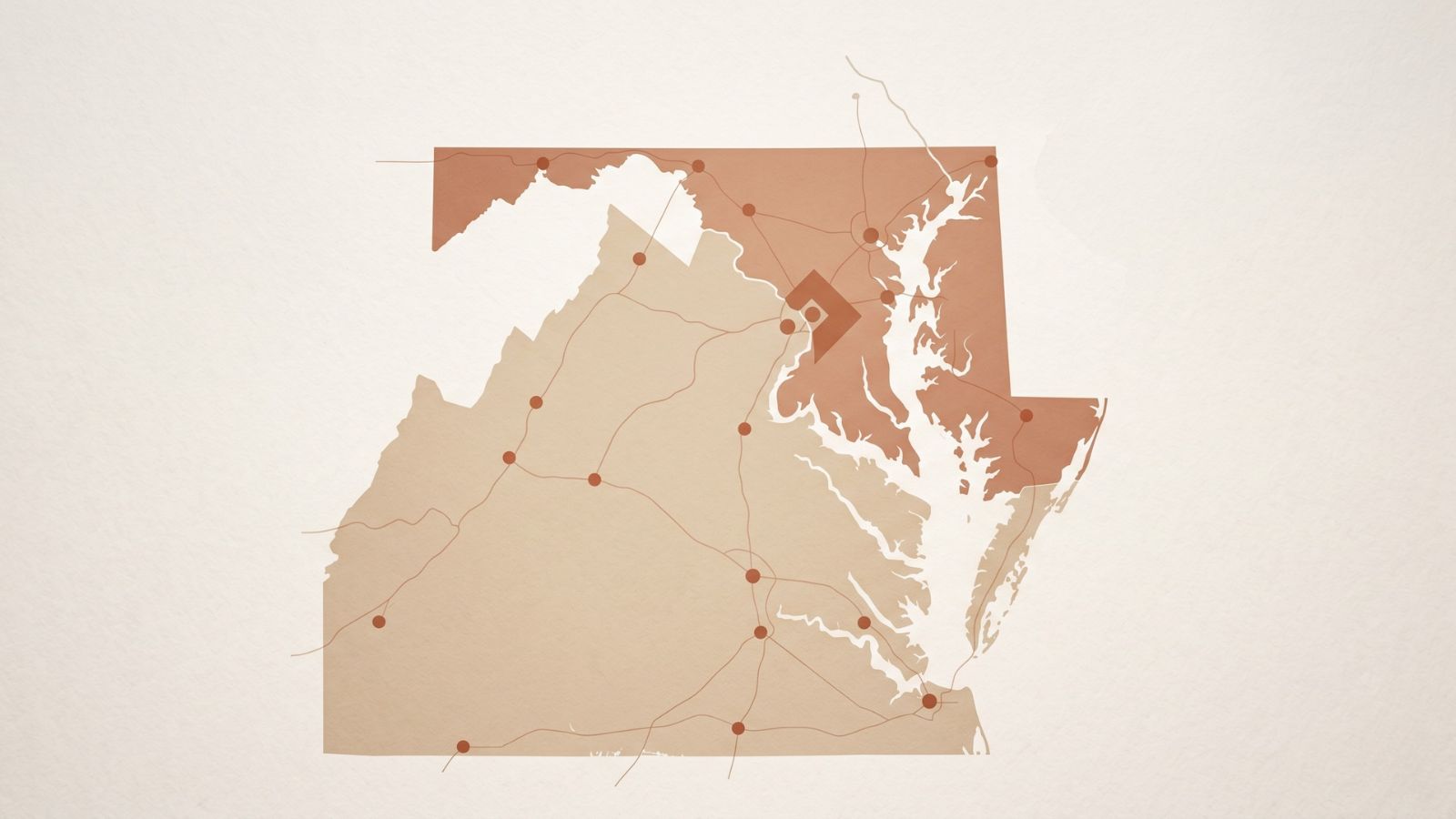
DC Tech and the DMV
May 28
Why Washington DC Quietly Became a Real Tech Town
Carl Pierre on the decade-long shift that turned the Washington DC metro into a genuine technology and startup hub.
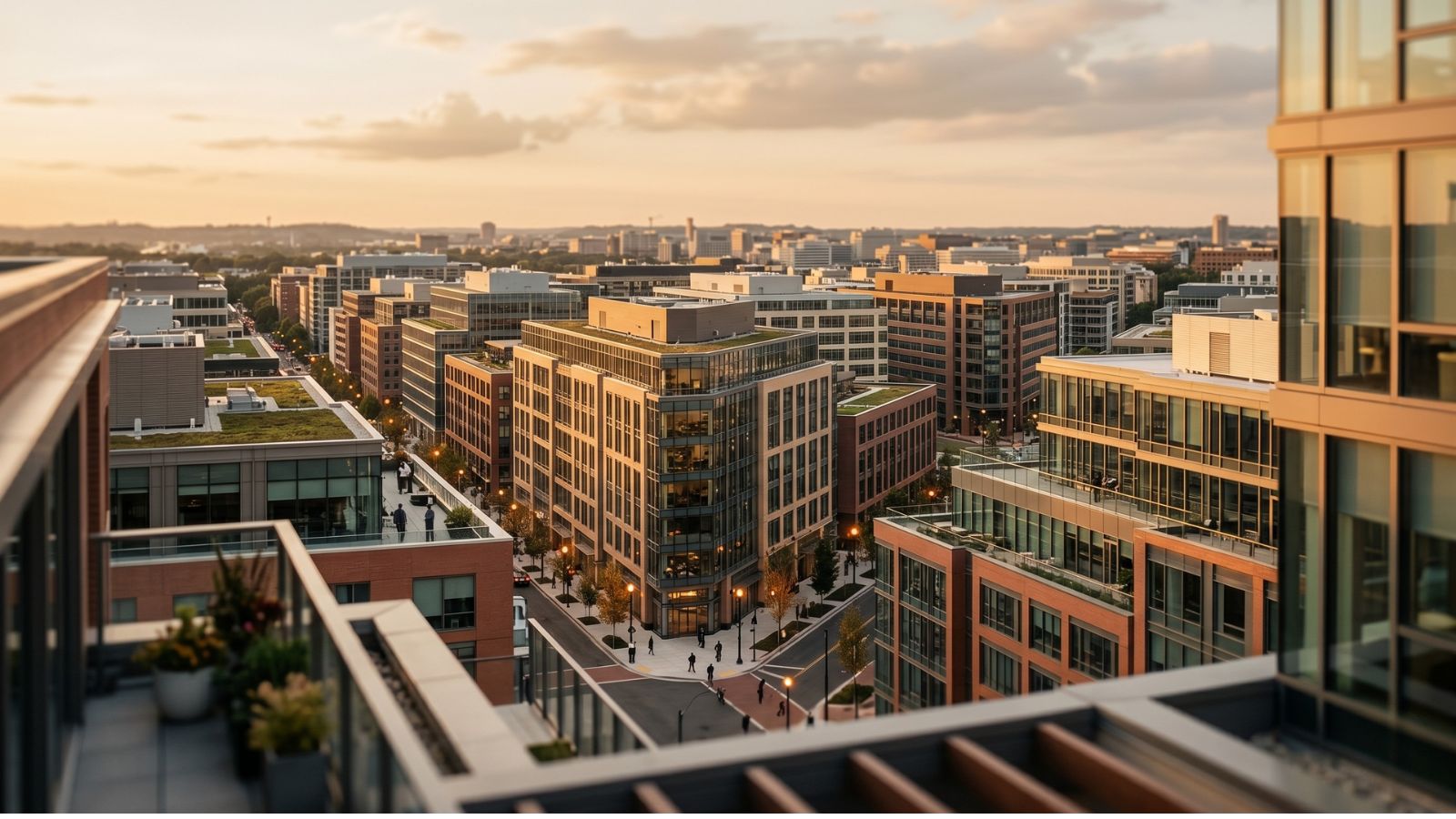
Carl Pierre on the decade-long shift that turned the Washington DC metro into a genuine technology and startup hub.
For years the story about American technology was a coastal one. While everyone watched San Francisco and New York, Washington DC quietly built a real technology economy of its own. I had a front-row seat, and the shift was bigger than most people noticed.
DC had what a tech scene needs and rarely gets credit for: talent from a dense cluster of universities, capital, a government and contracting base that funded serious engineering, and a growing appetite for startups outside the usual industries. What it lacked was the connective tissue, the places and networks where those people actually met.
That is part of why the coworking moment mattered here. The spaces I helped run put founders, freelancers, and operators in the same rooms, and the city's scene got denser and faster as a result. Washingtonian and WAMU were both documenting the change as it happened.
The DMV did not try to be the next Silicon Valley, and that was the point. It built a tech economy shaped by its own strengths, from govtech to cybersecurity to a deep bench of marketing and creative talent across DC, Maryland, and Virginia. That authenticity is why it stuck.
The region keeps maturing, and the interesting work now spreads well beyond the District. I map some of it in a marketer's map of the DMV. More in DC Tech and the DMV, the Washington DC page, and my background.